
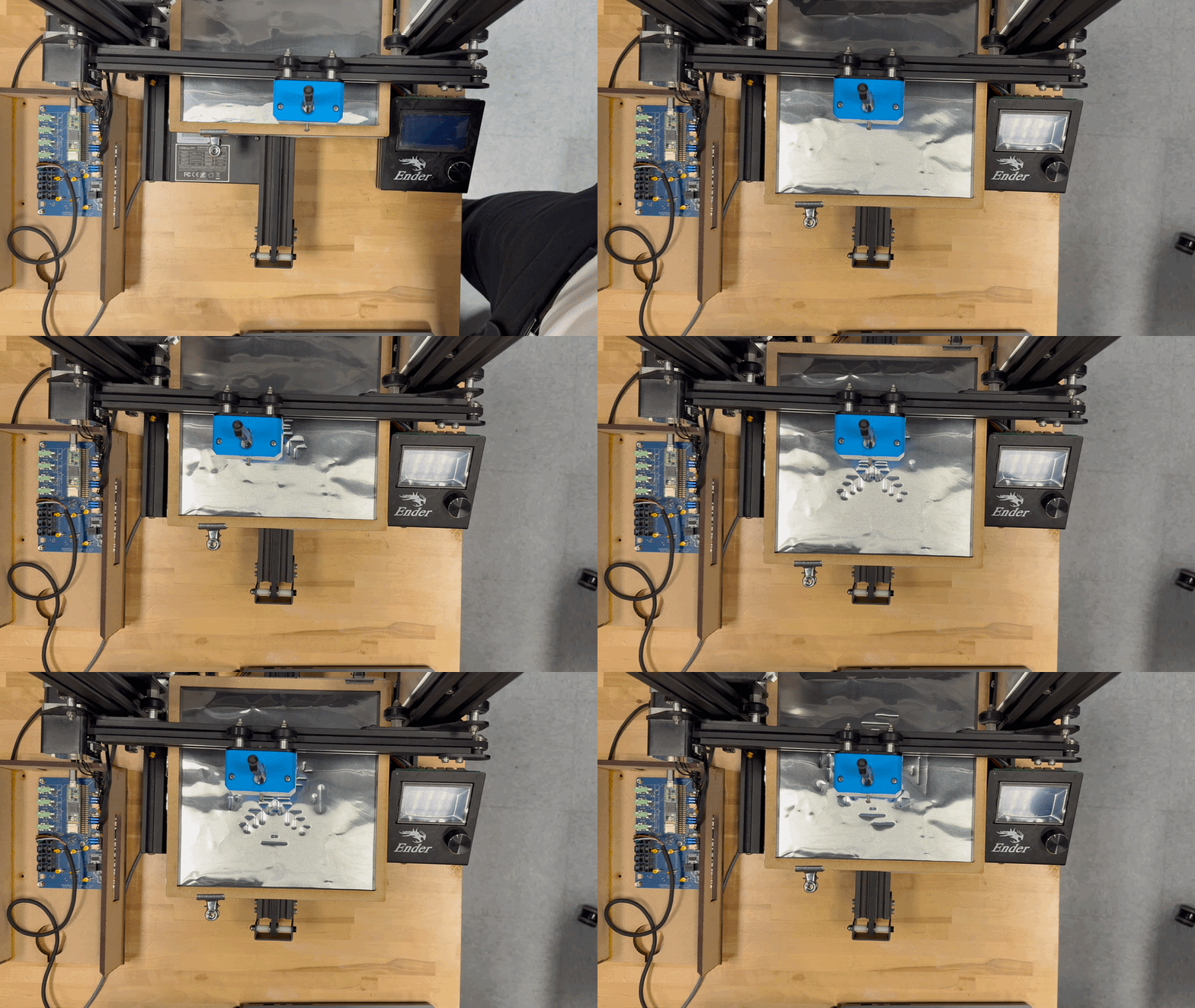


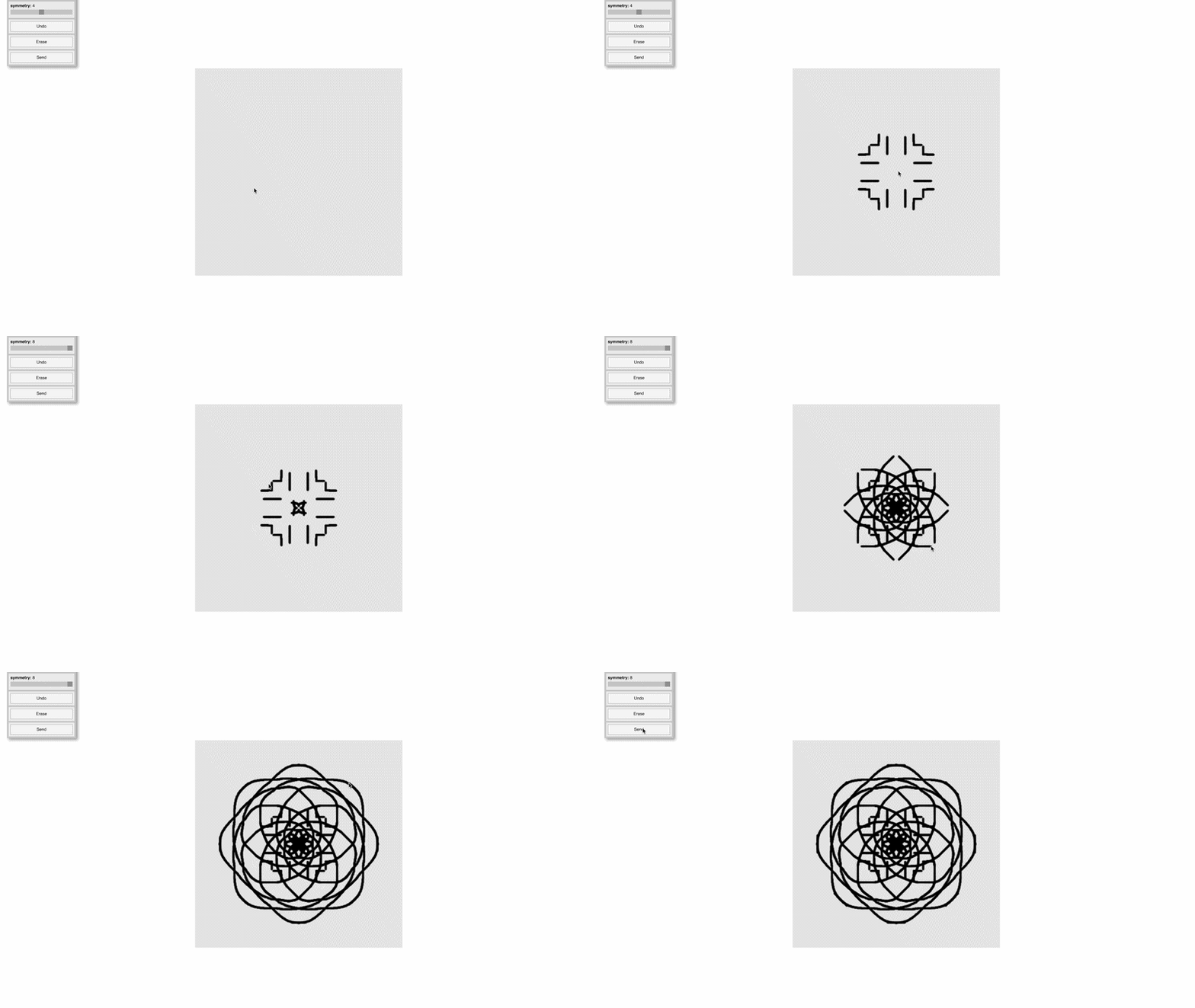
This project reimagines the traditional craft of metal embossing through digital fabrication and human-computer interaction. Working as part of a team, we transformed a consumer 3D printer into a custom CNC embossing machine that allows users to design symmetrical patterns in a web interface and translate them directly onto aluminum sheets.
My primary contributions focused on both the software and hardware systems. I developed the interactive drawing interface in p5.js, implementing features such as radial symmetry, undo/erase functionality, and live design preview. To ensure reliable motion control, I designed the data transmission system to queue and batch drawing coordinates before sending them over a custom WebSocket pipeline to the controller. I also contributed to the CAD design of the embossing mechanisms, including interchangeable patterned embossing wheels.
The project involved extensive prototyping and iteration. We experimented with a variety of custom 3D-printed embossing wheels, modified the printer with a spring-loaded toolhead to accommodate uneven surfaces, and ultimately adopted a ballpoint pen as an embossing stylus to produce cleaner, more consistent marks. We also designed custom fixtures, including a laser-cut frame for securing the work surface and an enclosure for the machine's electronics.
The finished installation was exhibited at the UCSB Media Arts & Technology End of Year Show, where visitors created their own embossed artworks using the interactive interface. The project explores how computation can augment traditional craft, not by replacing the artist, but by introducing capabilities such as symmetry, iterative editing, and digitally planned toolpaths that are difficult or impossible to achieve by hand.